
Published by clinicians at Penn Medicine · Sheba Medical Center · Banner Health
Validation
3 papers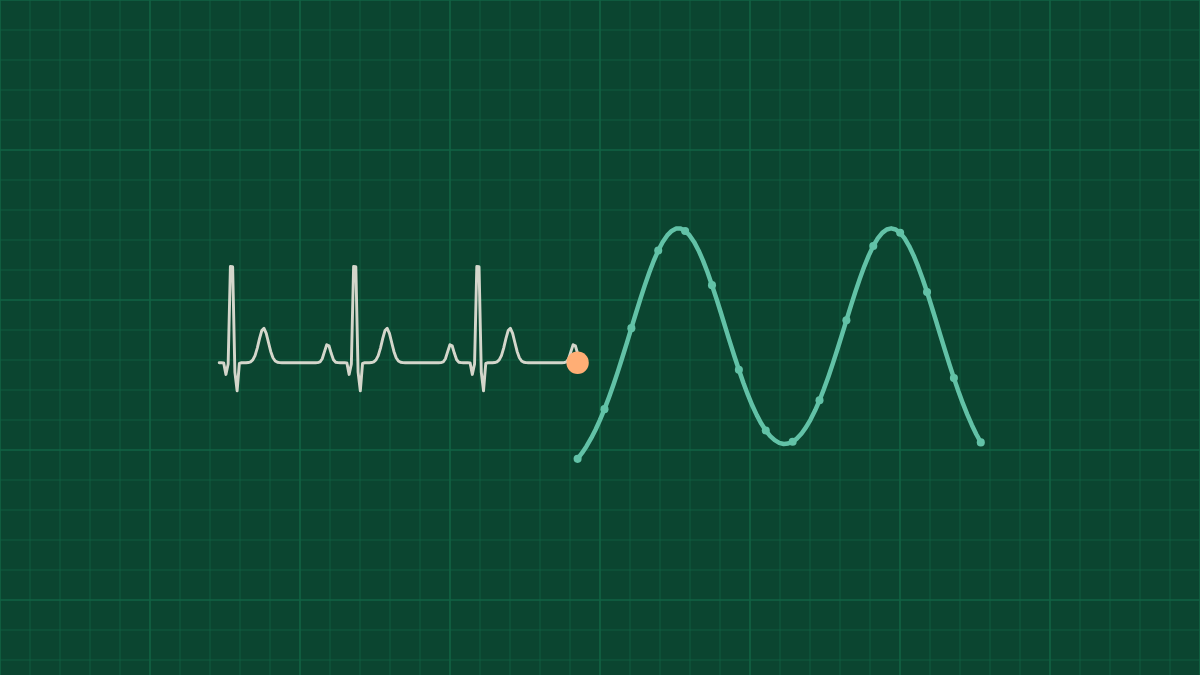
Contractions read from the heart’s own signals
INVU derives uterine activity from the mother’s heart signals, electrical and acoustic, rather than from a pressure belt.
Read the summary →
Contraction monitoring more accurate than the standard belt
INVU’s contraction monitoring was tested in 118 women (78 in the validation phase) against the intrauterine pressure catheter, the clinical reference.
Read the summary →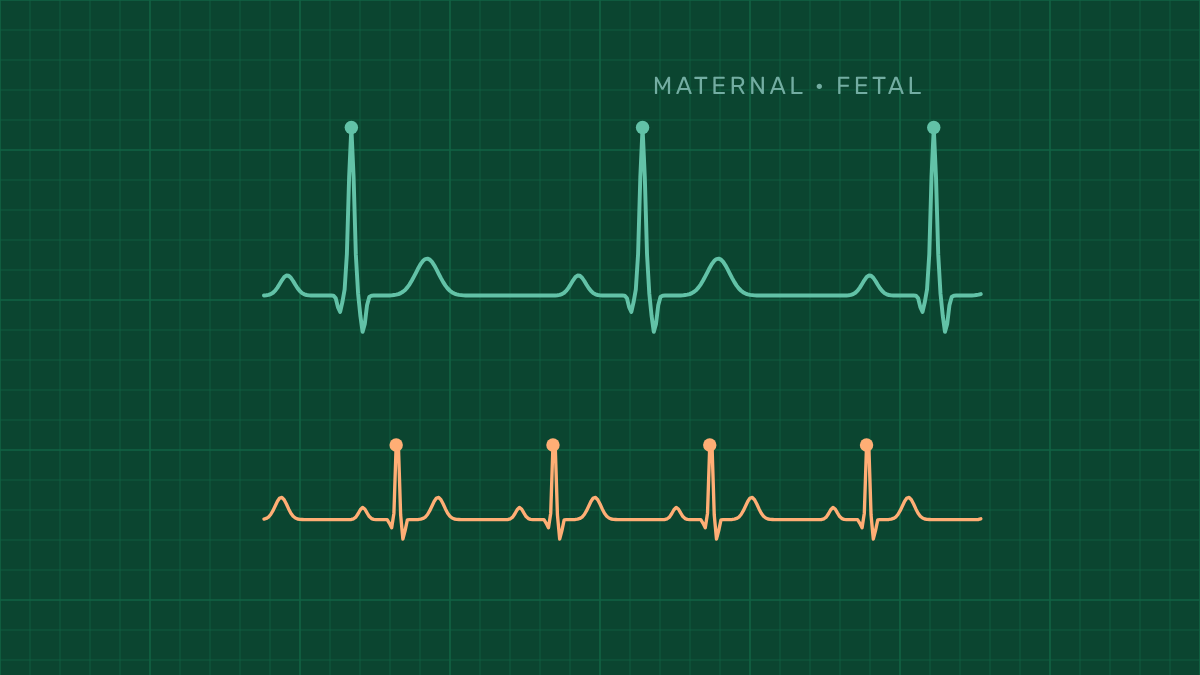
INVU heart-rate readings agreed closely with hospital CTG
In 147 pregnant women, fetal and maternal heart rates recorded with INVU were compared with standard cardiotocography (CTG).
Read the summary →Remote NST at home
3 papers
What patients said about testing at home
Penn researchers asked patients who did their nonstress tests at home with INVU how it went, through weekly surveys and interviews.
Read the summary →
Banner Health: a year of remote NSTs in rural care
A Banner Health clinician wrote to the journal about a year of remote nonstress testing with INVU in rural care.
Read the summary →
Penn Medicine: high-risk patients did their NSTs at home
At Penn Medicine, 34 patients with high-risk pregnancies enrolled and 29 did their nonstress tests at home with INVU.
Read the summary →Hybrid care
2 papers
Sheba Beyond: a hospital unit for high-risk pregnancy, at home
Sheba Beyond describes how it designed a hybrid hospital-and-home unit for high-risk pregnancy, using INVU by Nuvo for fetal heart tracing at home.
Read the summary →
Sheba: gestational diabetes care split between home and clinic
Sheba Medical Center ran a hybrid programme for women with gestational diabetes, with INVU for the nonstress test at home.
Read the summary →Reviews
1 paper
Want the full papers?
Our clinical team can share the publications and talk through the data.