Skip to content
Resources › Clinical Evidence › Part 3 · At home › This paper
Research letter · AJOG MFM · 2024

In their own words: what Penn patients said about nonstress tests at home

Use of a wireless monitoring device to perform nonstress tests from home: the patient perspective

In short

Researchers at the University of Pennsylvania asked patients with high-risk pregnancies, who did their nonstress tests at home with INVU, what the experience was like, through weekly surveys and in-depth interviews. Patients rated home monitoring acceptable and said it spared them travel, childcare and missed work. Belt fit and comfort were what they most wanted improved, and those comments led to changes in the device.

What it is

A research letter in the American Journal of Obstetrics & Gynecology MFM (2024) by a University of Pennsylvania team. It is the patient side of two Penn cohorts that used INVU for clinically indicated nonstress tests from home between October 2020 and March 2023. The clinical results of the first cohort are in an earlier Penn paper.

Why it was studied

Pregnancies at high risk need frequent nonstress tests, and getting to the clinic is limited by transport, childcare and work. Penn had already shown that most home tests with INVU were clinically acceptable and replaced the clinic visit. What patients thought of it had not yet been measured, and the authors note that no new form of care spreads without it.

How it was done

Mixed methods. Every patient in the two cohorts who had tried at least one home test received a weekly survey: a validated four-question acceptability measure (scored from 4 to 20) and open questions about the experience. From May 2022, 12 patients also took part in long interviews, until no new themes came up.

The interviews were run by a researcher outside the cohort studies and coded by two qualitative researchers who were not involved either; a fifth of the transcripts were coded twice, with near-complete agreement.

What they found

Acceptable. 40 of the 56 patients (71.4%) answered 105 surveys. The median score was 15 of 20.

The benefit. Avoiding clinic visits was named in 59.6% of answers, ease and speed of the device in 14.6%; a few named traffic and parking, or cost.

The problems. Belt connection (18.1% of surveys) and belt fit or comfort (15.2%).

What to change. 46.1% of answers said nothing; 37.1% asked for a better belt fit or comfort.

At home. Patients tested in bed or a reclining chair, usually in under an hour, working or watching TV. Most felt reassured that the monitoring matched the clinic, and valued talking with clinicians through the app. Some wanted more help with set-up; one found keeping still hard; one raised fit for different body types; others noted that small children at home still take planning.

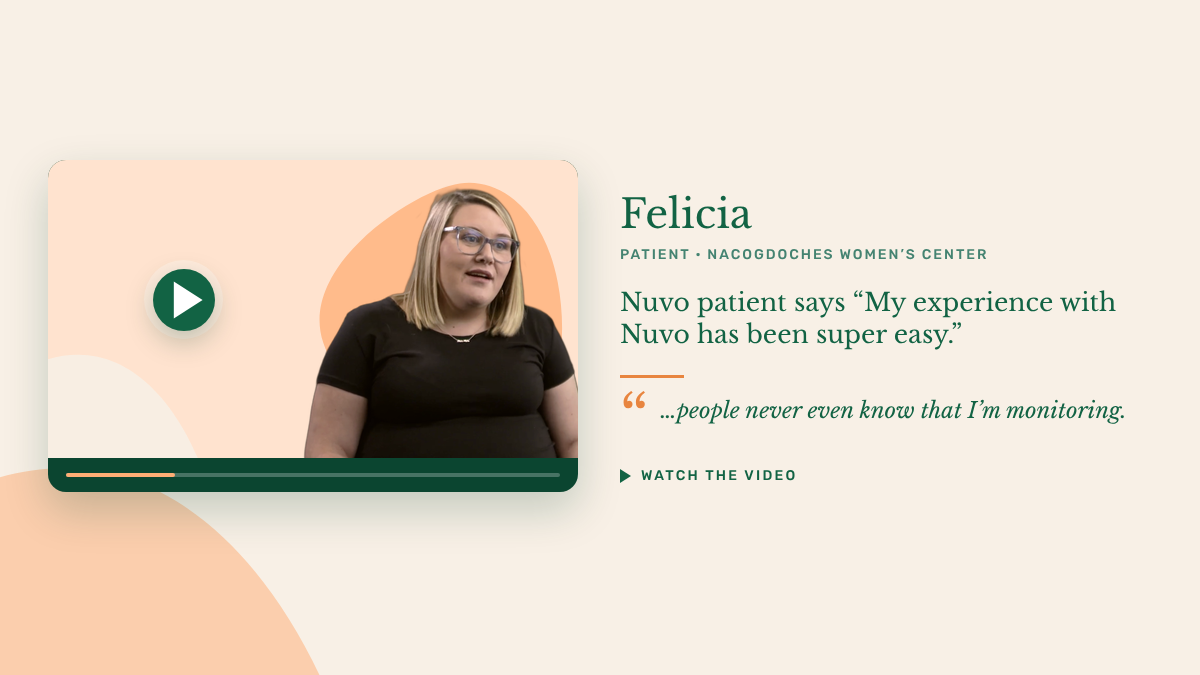
“…and also to share that experience with my husband.”

A patient, on seeing the baby’s heart rate at home (Table 2 of the paper).

Why it matters

The feedback went straight into the product: the paper reports that INVU was updated to improve comfort and signal reliability, and that the app’s troubleshooting was extended for different body types. This happened before Penn began a randomised trial comparing home and clinic testing. Read with the Penn clinical results and the Banner Health experience.

What it does not show

It measured acceptability inside a research cohort, not in routine care, and the authors expect some barriers to differ outside it. Comparisons with clinic visits may reflect unit or COVID-19 rules of the time. The 12 interviewees were not typical of the whole group (for example, more had private insurance). The device and training changed between the two cohorts. It did not compare home and clinic testing head to head, or look at outcomes.

Who ran it

The University of Pennsylvania (Obstetrics & Gynecology, the Leonard Davis Institute and the Mixed Methods Research Lab). Funded by Penn’s Institute for Translational Medicine and Therapeutics, Nuvo Group and the National Institute of Child Health and Human Development. One author, Dr Nadav Schwartz, is a medical advisor and consultant to Nuvo; the paper states he took no part in collecting or analysing the acceptability data. Nuvo could review the report before publication but took no part in writing it.

15 of 20median acceptability score (105 surveys from 40 patients)
59.6%of answers on benefits named avoiding clinic visits
37.1%of answers asked for a better belt fit or comfort; 46.1% suggested no change
The paper
Use of a wireless monitoring device to perform nonstress tests from home: the patient perspective

Hamm RF, Steele MC, O’Brien C, Gebru H, Purnell J, McCabe M, Lane-Fall MB, Parry S, Schwartz N. Am J Obstet Gynecol MFM 2024;6(4):101342.

doi.org/10.1016/j.ajogmf.2024.101342
Read in the journal → Copied
Summary by Nuvo. The full text is published by American Journal of Obstetrics & Gynecology MFM.

Highlighted research

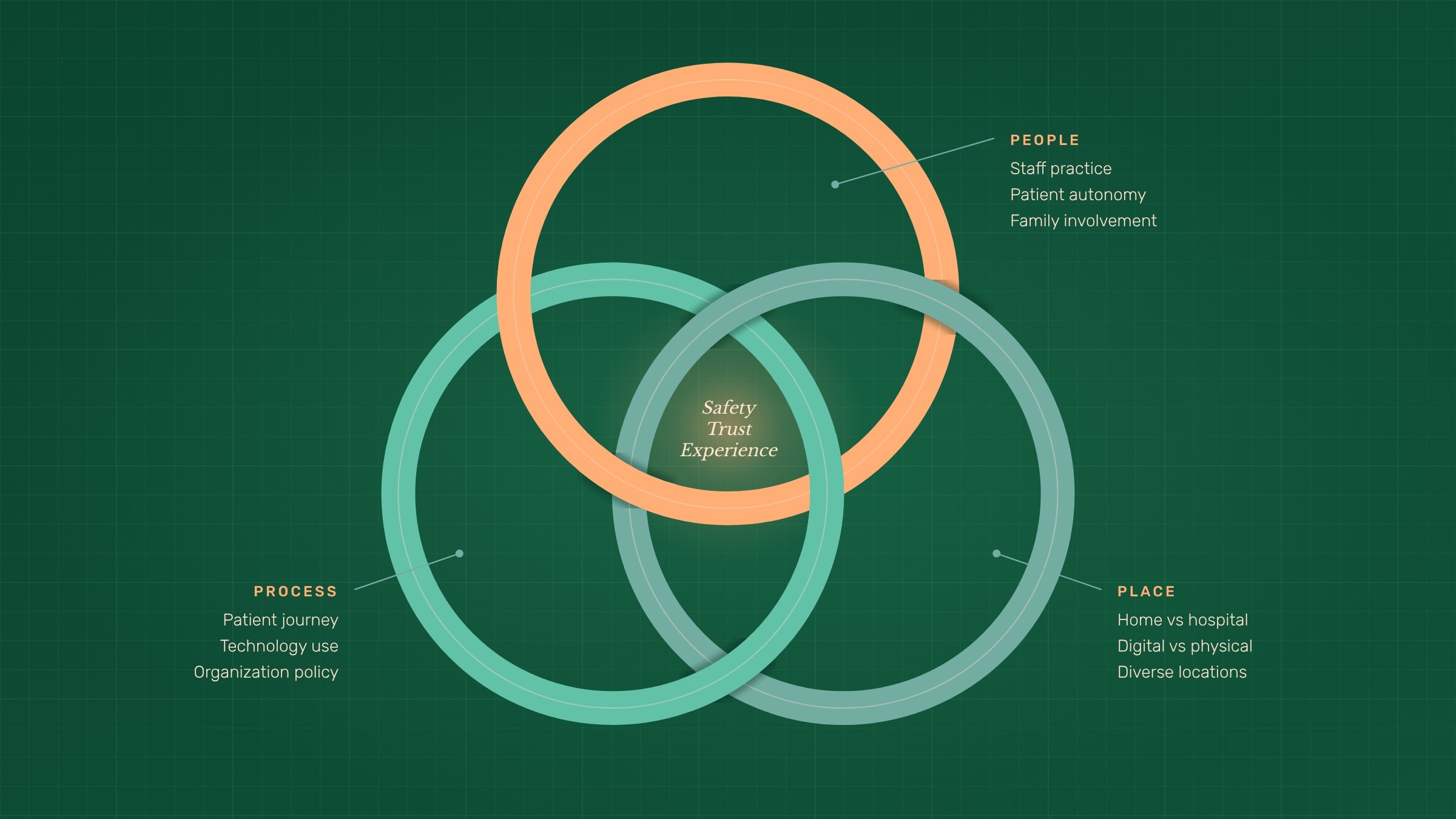
Three interwoven rings: People, Process and Place, with safety, trust and experience at the centre Programme studyFront Digit Health · 2026

Hospitalised at home: how Sheba redesigned care for high-risk pregnancy

Sheba’s hybrid unit lets women with high-risk pregnancies be hospitalised at home and visit twice a week. A 2026 study of 40 interviews looks at what changed; INVU provides the fetal heart tracing.

Read the highlight →
Sheba Medical Center’s curved glass building under a blue sky Pilot studyIJGO · 2025

Every other week from home: Sheba’s hybrid care for gestational diabetes

At Sheba, 20 women with gestational diabetes alternated weekly clinic and home visits, with INVU for the nonstress test. 38 of 39 home visits were complete, taking 59 minutes against 159 in clinic.

Read the highlight →
A desert highway at dusk Letter to the editorsAJOG · 2024

A year of remote NSTs in rural care: Banner Health’s view

After a year of INVU in its rural telemedicine programme, a Banner Health obstetrician wrote to AJOG: most remote NSTs were readable, and patients stopped missing visits.

Read the highlight →
Silhouette of a pregnant woman standing at a bright window at home Research letterAJOG · 2023

Penn Medicine moved high-risk nonstress tests into patients’ homes

At Penn Medicine, 29 women with high-risk pregnancies did their nonstress tests at home with INVU. 93.9% of tests could be read, and 88.5% of appointments needed no clinic visit.

Read the highlight →
Twelve monitor screens, six lit with different real INVU signals ReviewBMC Pregnancy Childbirth · 2023

Fetal monitoring 4.0: an independent review picks out INVU as the device built for home

Researchers in Czechia reviewed fetal monitoring for the post-COVID era. Of six certified monitors they compared, they describe INVU as the only one built for home monitoring rather than labour.

Read the highlight →
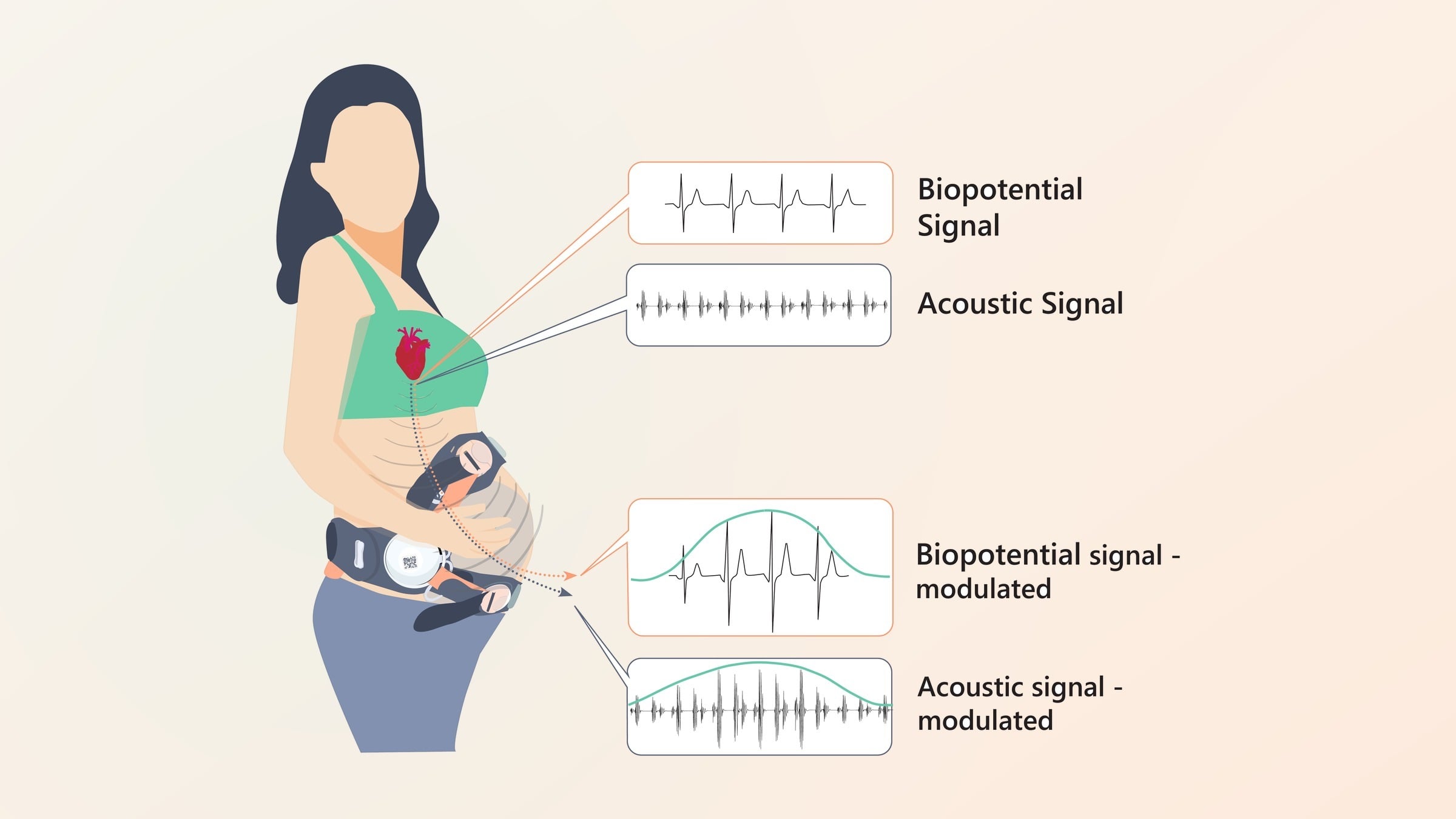
How INVU reads contractions: the mother’s heart signal, picked up as biopotential and acoustic signals, swells with each contraction Validation studyAJOG · 2022

Improved uterine contraction detection compared with conventional TOCO

In 118 women in labour, INVU detected 84.8% of the contractions confirmed by the intrauterine catheter, beat the external TOCO belt (82% vs 38%) and kept working in women with obesity.

Read the highlight →
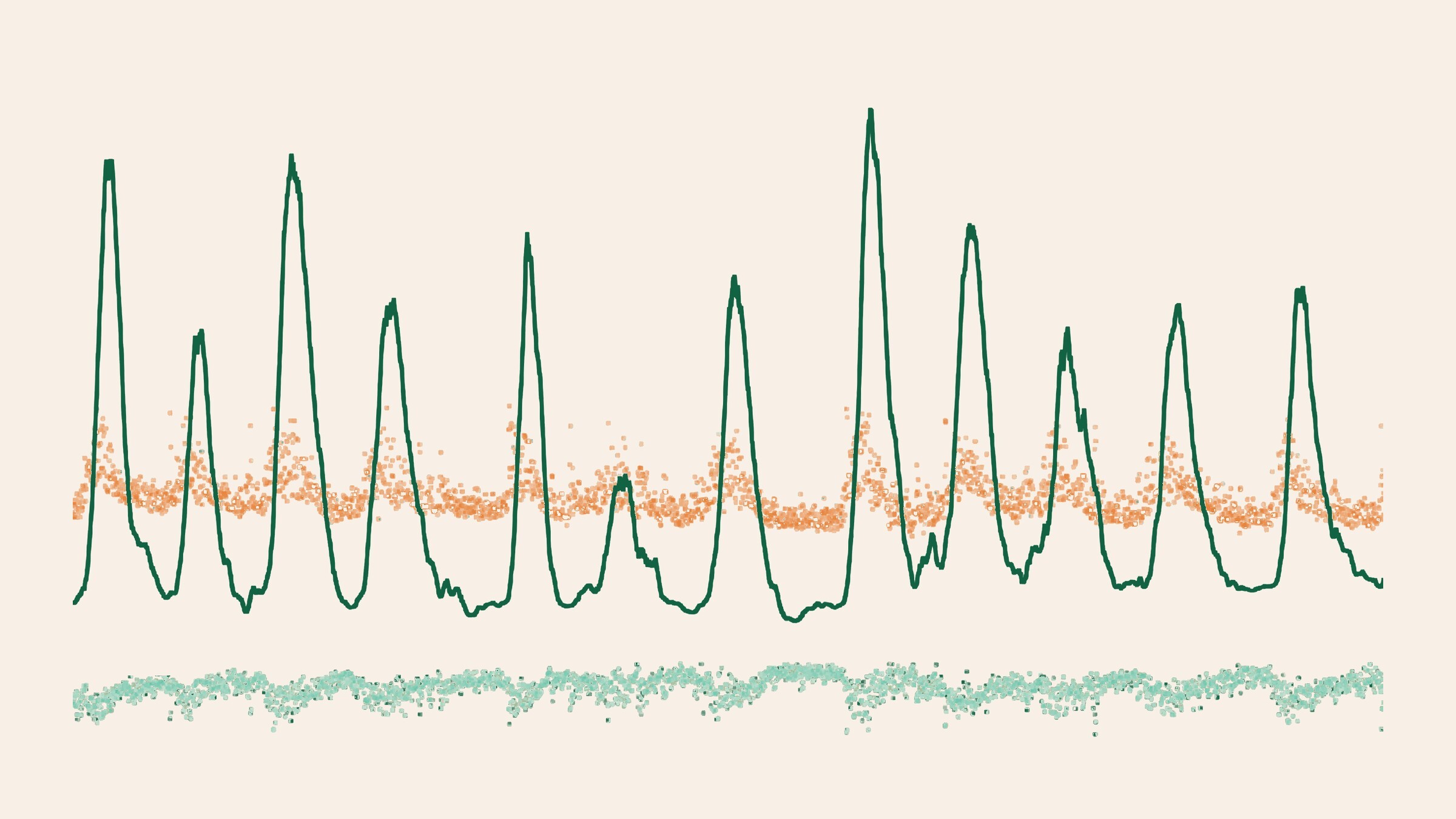
The contraction trace rises and falls, and the height of each of the mother’s heartbeats swells with every contraction Validation studyFront Bioeng Biotechnol · 2022

Reading contractions in the mother’s own heartbeat

The engineering paper behind INVU’s contraction reading: as the uterus tightens, the mother’s heartbeat signals change shape. In 41 women in labour, the method found 89.8% of catheter-confirmed contractions.

Read the highlight →
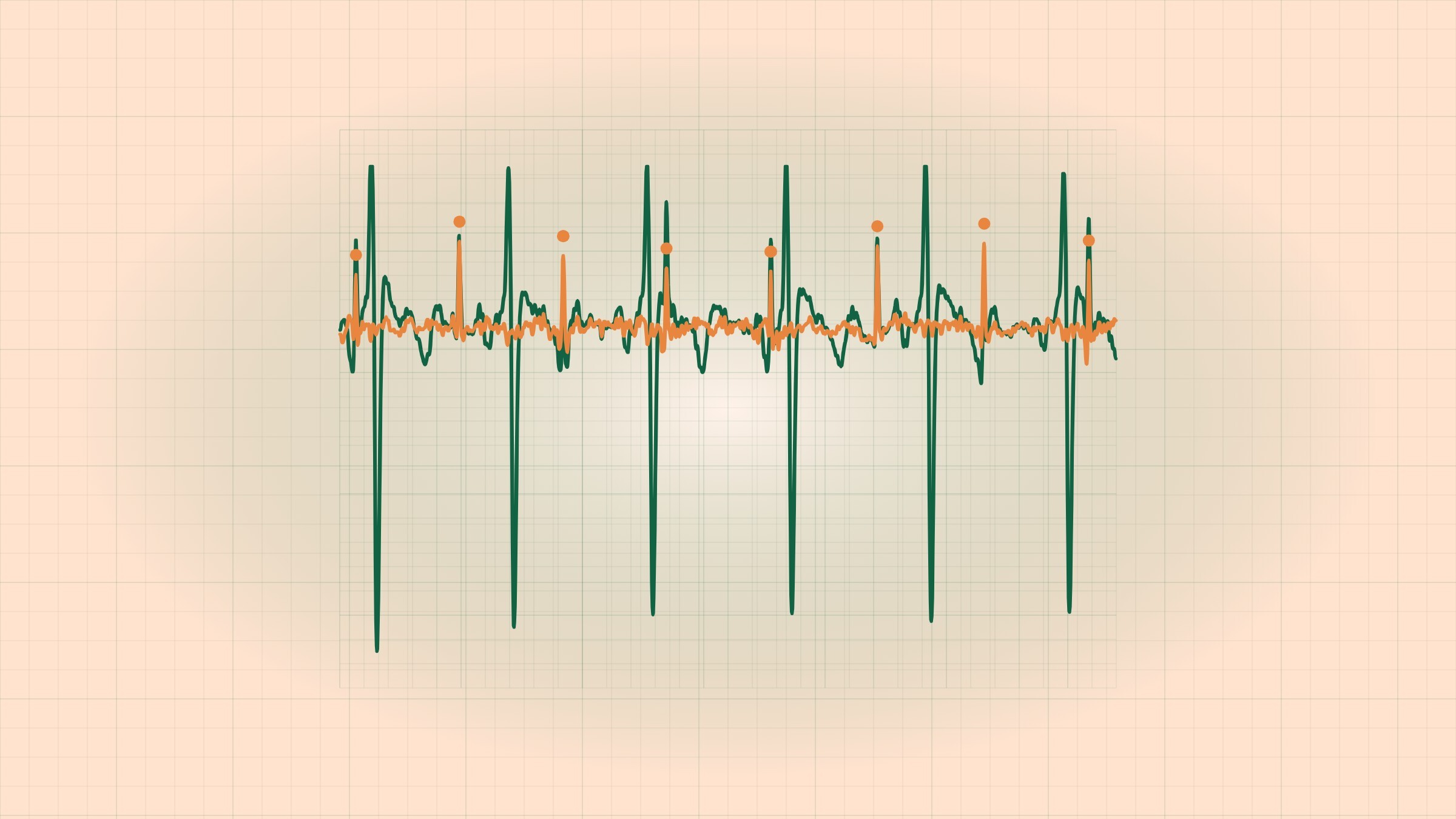
The mother's heartbeat and the baby's in one INVU recording: tall slow beats and small fast beats Validation studyAJOG MFM · 2020

INVU heart-rate readings agreed closely with hospital CTG

147 women at four centres wore INVU and the hospital monitor at the same time. Fetal heart rate agreed to within about 8 to 9 beats per minute, with no ultrasound and no repositioning.

Read the highlight →
Get in touch

Interested in learning more?

Whether you would like to know more about INVU™, explore a research collaboration, or partner with us, we would love to hear from you.

Email info@nuvocares.com ↗