Skip to content
Resources

Clinical Evidence

Building a record of credibility: peer-reviewed research, regulatory clearance and real clinical use.

For clinicians and researchers

One device, many kinds of evidence

INVU™ has been studied from every direction a clinician would want: validated against established clinical standards, cleared by the FDA, used at home by high-risk patients, built into new models of care, and picked up by researchers who have no connection to Nuvo. Since 2018 that record has grown every year, in journals, at conferences and in clinics.

This page gives the two findings clinicians ask about first, then opens a door to each part of the record.

735418
ValidationRegulatoryAt homeModels of careIndependent research
Two findings to know

Five kinds of evidence

open any part to see every study, year by year
PART 1Validated against established clinical standards

Heart rate against standard-of-care CTG; contractions against the intrauterine pressure catheter.

3 papers · 2 abstracts · 2 trialsOpen →
PART 2Cleared by the FDA

Three 510(k) clearances, from heart rate to remote nonstress tests.

3 clearancesOpen →
PART 3Used at home by high-risk patients

Remote nonstress tests at Penn Medicine and Banner Health.

3 papers · 2 abstractsOpen →
PART 4Part of new models of care

Hospital-at-home at Sheba, randomized and pragmatic trials in the US.

2 papers · 2 trialsOpen →
PART 5Chosen and cited by other researchers

Groups outside Nuvo that used INVU, and reviews that name it.

4 studies · 14 reviewsOpen →

Highlighted research

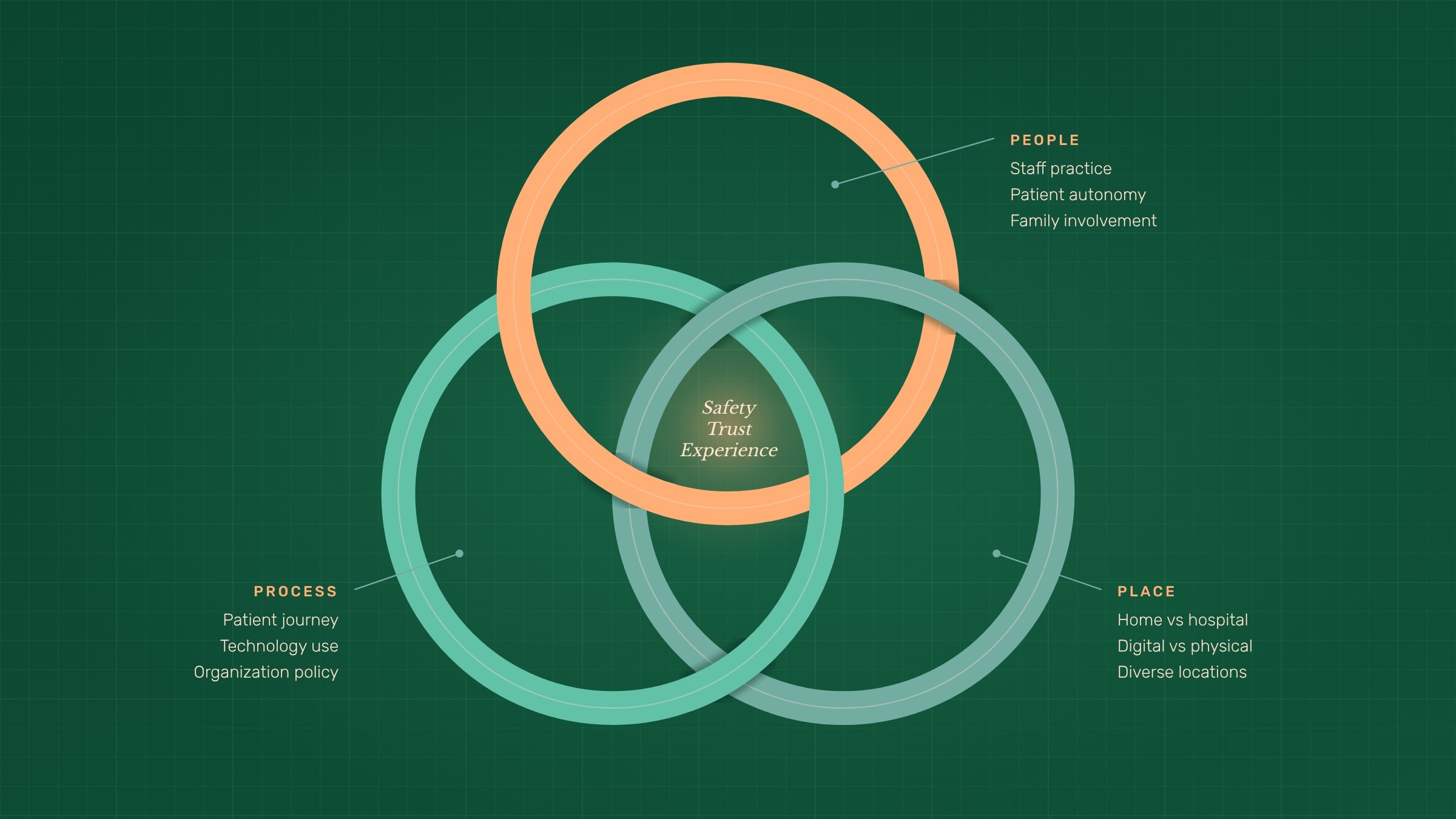
Three interwoven rings: People, Process and Place, with safety, trust and experience at the centre Programme studyFront Digit Health · 2026

Hospitalised at home: how Sheba redesigned care for high-risk pregnancy

Sheba’s hybrid unit lets women with high-risk pregnancies be hospitalised at home and visit twice a week. A 2026 study of 40 interviews looks at what changed; INVU provides the fetal heart tracing.

Read the highlight →
Sheba Medical Center’s curved glass building under a blue sky Pilot studyIJGO · 2025

Every other week from home: Sheba’s hybrid care for gestational diabetes

At Sheba, 20 women with gestational diabetes alternated weekly clinic and home visits, with INVU for the nonstress test. 38 of 39 home visits were complete, taking 59 minutes against 159 in clinic.

Read the highlight →
Speech bubbles of different sizes, colours and shapes, each with a different kind of voice, on Nuvo dark green Research letterAJOG MFM · 2024

In their own words: what Penn patients said about nonstress tests at home

Penn asked high-risk patients who did their nonstress tests at home with INVU how it went. They rated it acceptable, valued skipping clinic trips, and their comments on belt fit changed the device.

Read the highlight →
A desert highway at dusk Letter to the editorsAJOG · 2024

A year of remote NSTs in rural care: Banner Health’s view

After a year of INVU in its rural telemedicine programme, a Banner Health obstetrician wrote to AJOG: most remote NSTs were readable, and patients stopped missing visits.

Read the highlight →
Silhouette of a pregnant woman standing at a bright window at home Research letterAJOG · 2023

Penn Medicine moved high-risk nonstress tests into patients’ homes

At Penn Medicine, 29 women with high-risk pregnancies did their nonstress tests at home with INVU. 93.9% of tests could be read, and 88.5% of appointments needed no clinic visit.

Read the highlight →
Twelve monitor screens, six lit with different real INVU signals ReviewBMC Pregnancy Childbirth · 2023

Fetal monitoring 4.0: an independent review picks out INVU as the device built for home

Researchers in Czechia reviewed fetal monitoring for the post-COVID era. Of six certified monitors they compared, they describe INVU as the only one built for home monitoring rather than labour.

Read the highlight →
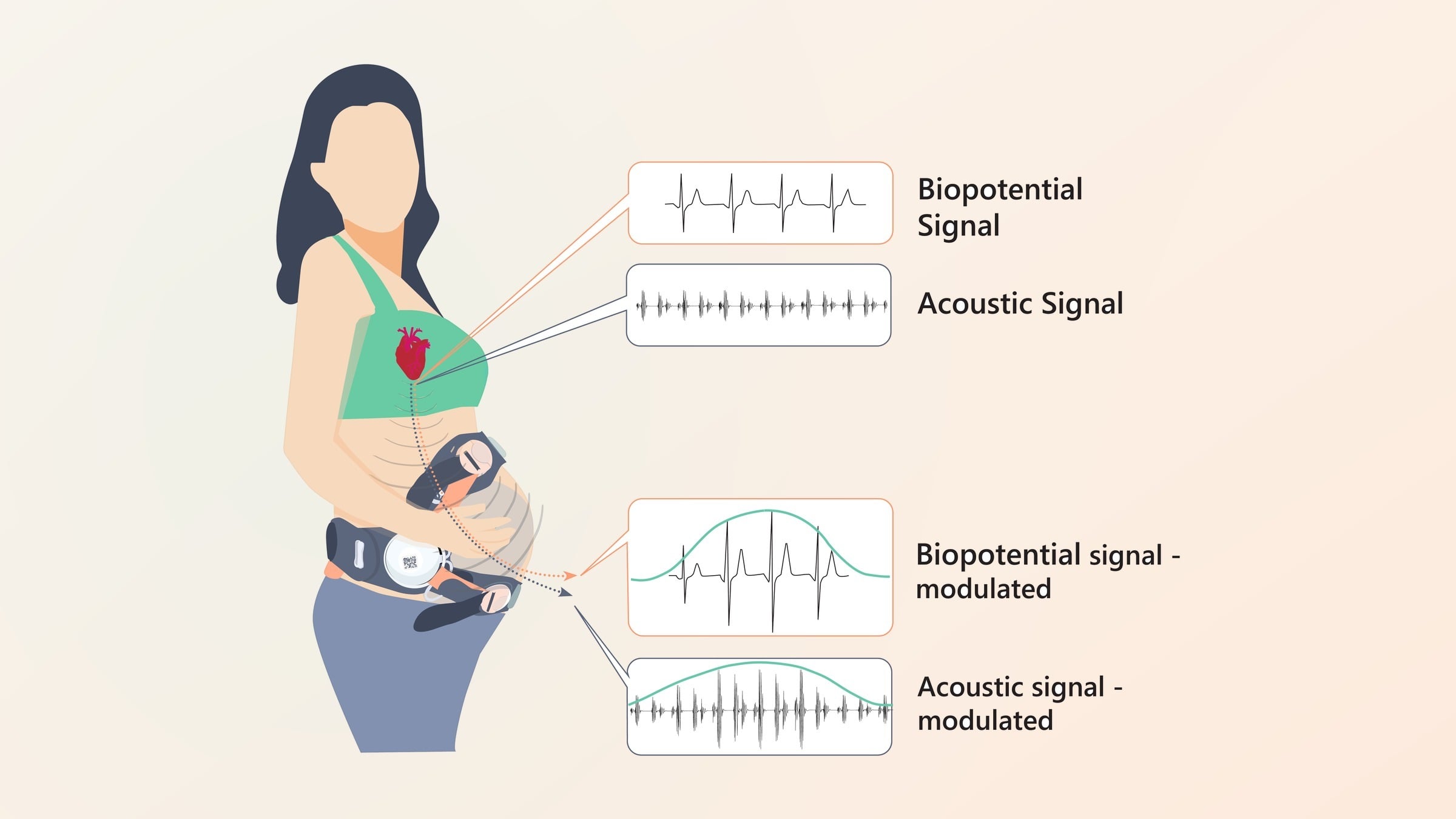
How INVU reads contractions: the mother’s heart signal, picked up as biopotential and acoustic signals, swells with each contraction Validation studyAJOG · 2022

Improved uterine contraction detection compared with conventional TOCO

In 118 women in labour, INVU detected 84.8% of the contractions confirmed by the intrauterine catheter, beat the external TOCO belt (82% vs 38%) and kept working in women with obesity.

Read the highlight →
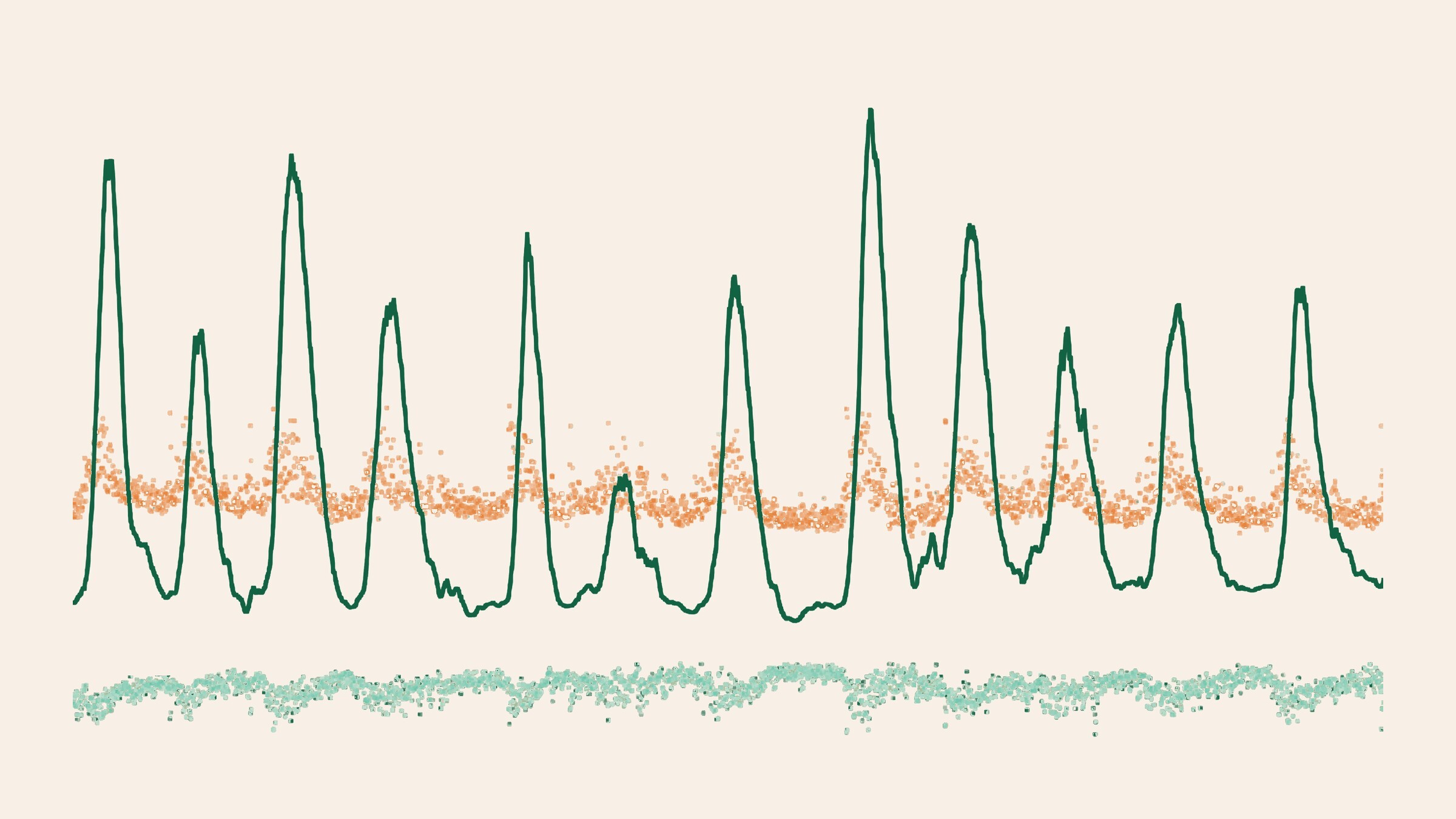
The contraction trace rises and falls, and the height of each of the mother’s heartbeats swells with every contraction Validation studyFront Bioeng Biotechnol · 2022

Reading contractions in the mother’s own heartbeat

The engineering paper behind INVU’s contraction reading: as the uterus tightens, the mother’s heartbeat signals change shape. In 41 women in labour, the method found 89.8% of catheter-confirmed contractions.

Read the highlight →
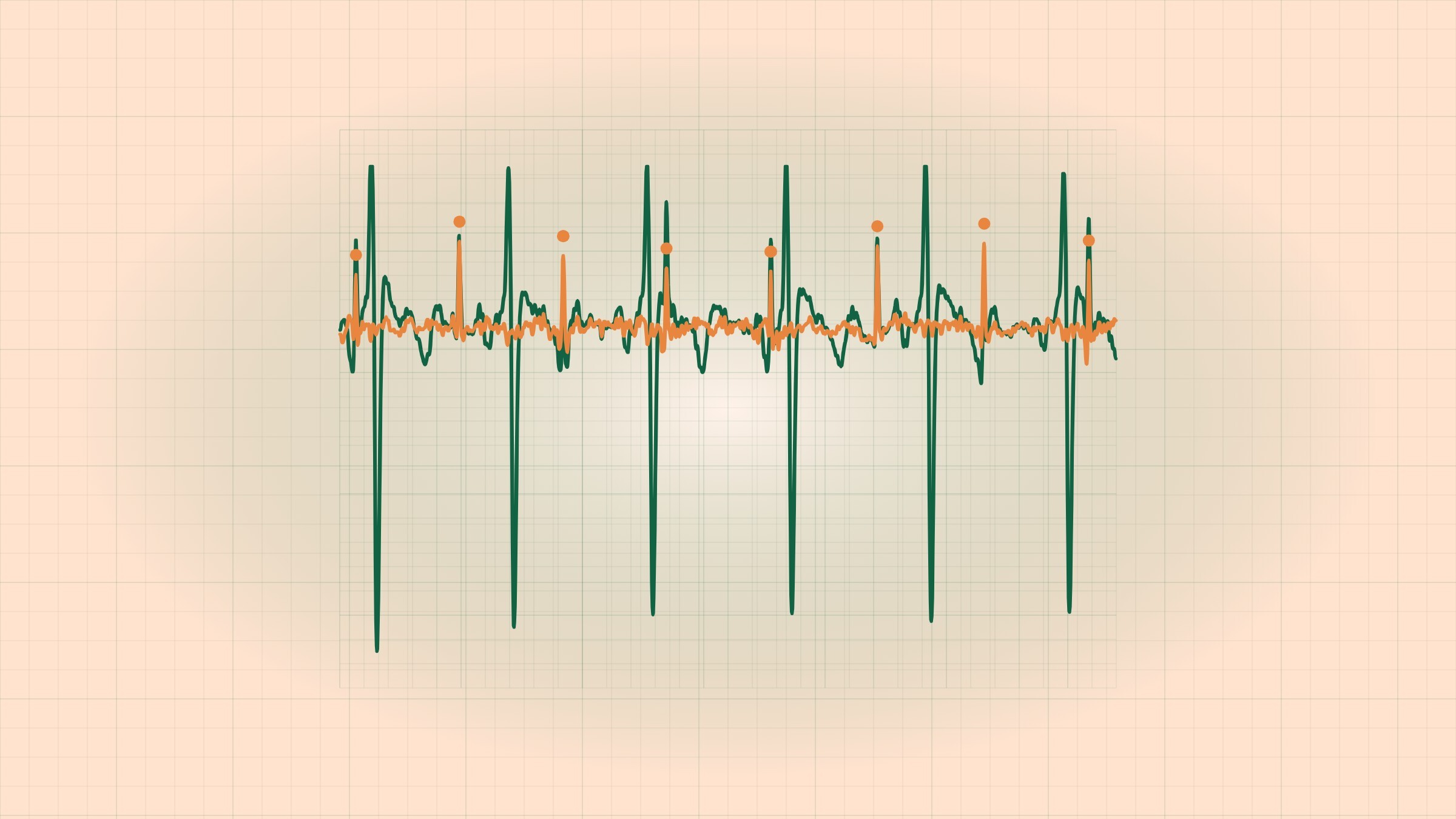
The mother's heartbeat and the baby's in one INVU recording: tall slow beats and small fast beats Validation studyAJOG MFM · 2020

INVU heart-rate readings agreed closely with hospital CTG

147 women at four centres wore INVU and the hospital monitor at the same time. Fetal heart rate agreed to within about 8 to 9 beats per minute, with no ultrasound and no repositioning.

Read the highlight →
Get in touch

Interested in learning more?

Whether you would like to know more about INVU™, explore a research collaboration, or partner with us, we would love to hear from you.

Email info@nuvocares.com ↗