When COVID-19 made clinic visits risky for pregnant women, a team in Ostrava, Czechia, asked what fetal monitoring should look like next. Their review argues for safe, accurate monitoring from home, built on connected devices, artificial intelligence and the cloud, and compares the methods and devices available. INVU is among them, as the one designed for home.
Of the six certified devices the review compares, INVU is the one it describes as focused on home monitoring during pregnancy, rather than during labour.
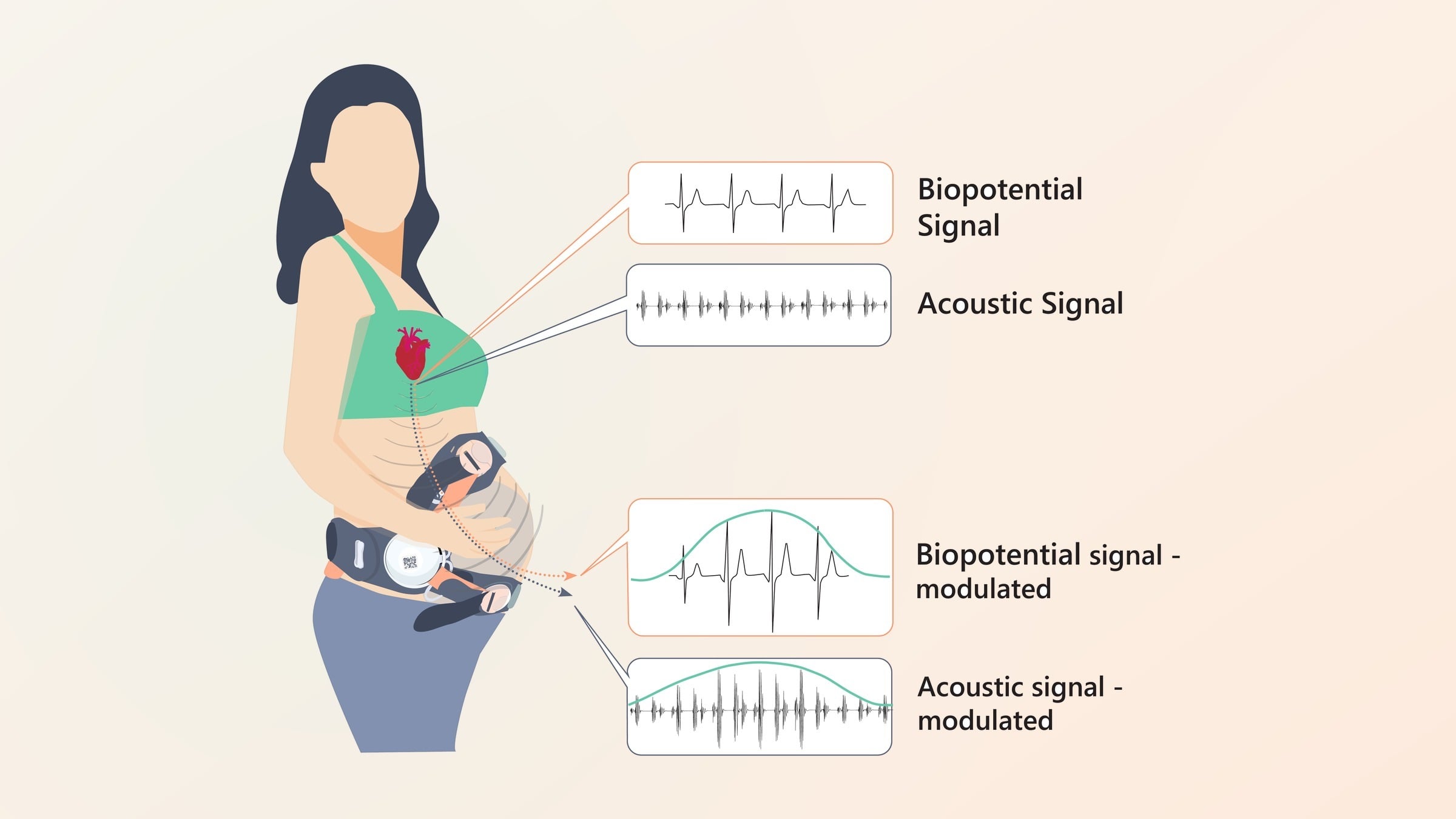
It notes that INVU combines the baby’s heart signal with heart sounds (8 electrical sensors, 4 acoustic) and showed a high correlation with hospital CTG in 147 women.
The authors declare no competing interests, and the work was paid for by Czech public research grants. It summarises Nuvo’s published data; it did not test INVU itself.
What it is
A review in BMC Pregnancy and Childbirth (2023) by researchers at VSB–Technical University of Ostrava and the University and Faculty Hospital of Ostrava. It covers how the pandemic affected pregnancy care, the ways the baby’s heart can be monitored (CTG, fetal ECG, heart sounds and others), the commercial devices on the market, and the problems still to solve.
Why it was written
During COVID-19 pregnant women were treated as a high-risk group, and every clinic visit carried risk. CTG, the standard monitor, needs trained staff and suits short checks in the clinic, not monitoring at home. The authors look for technology that can watch over mother and baby safely from home, which they call fetal monitoring 4.0, after the pillars of Healthcare 4.0: connected medical devices, artificial intelligence and cloud storage among them.
What it says about INVU
INVU is described as a wearable belt the woman puts on herself, with 12 sensors: 8 passive electrical sensors and 4 microphones. The electrical and sound signals are processed separately, then merged to give the mother’s and the baby’s heart rate. The review cites the study in 147 women from 32 weeks, in which research staff applied the belt in hospital, and its high correlation with CTG.
Of the six certified commercial devices it compares (Nuvo’s and those of five other makers), INVU is the only one it describes as focused on home monitoring through pregnancy rather than labour.
Why it matters
A peer-reviewed group with no ties to Nuvo places INVU among the leading devices that read the baby’s heart through the mother’s skin, and singles it out as the one built for home. That is the use Penn later tested with high-risk patients doing their nonstress tests at home.
What it does not show
It is a review, not a study: it did not test INVU, and its INVU figures come from Nuvo’s own 2020 validation study. Its comparison table lists uterine activity as “No” for INVU; Nuvo’s papers on contractions were published later, in 2022.
Who wrote it
Kahankova R, Barnova K, Jaros R, Pavlicek J, Snasel V and Martinek R. Funded by the Ministry of Education of the Czech Republic (SP2022/34) and the Technology Agency of the Czech Republic (TREND, FW03010392). The authors declare no competing interests. Published open access under a CC BY licence.
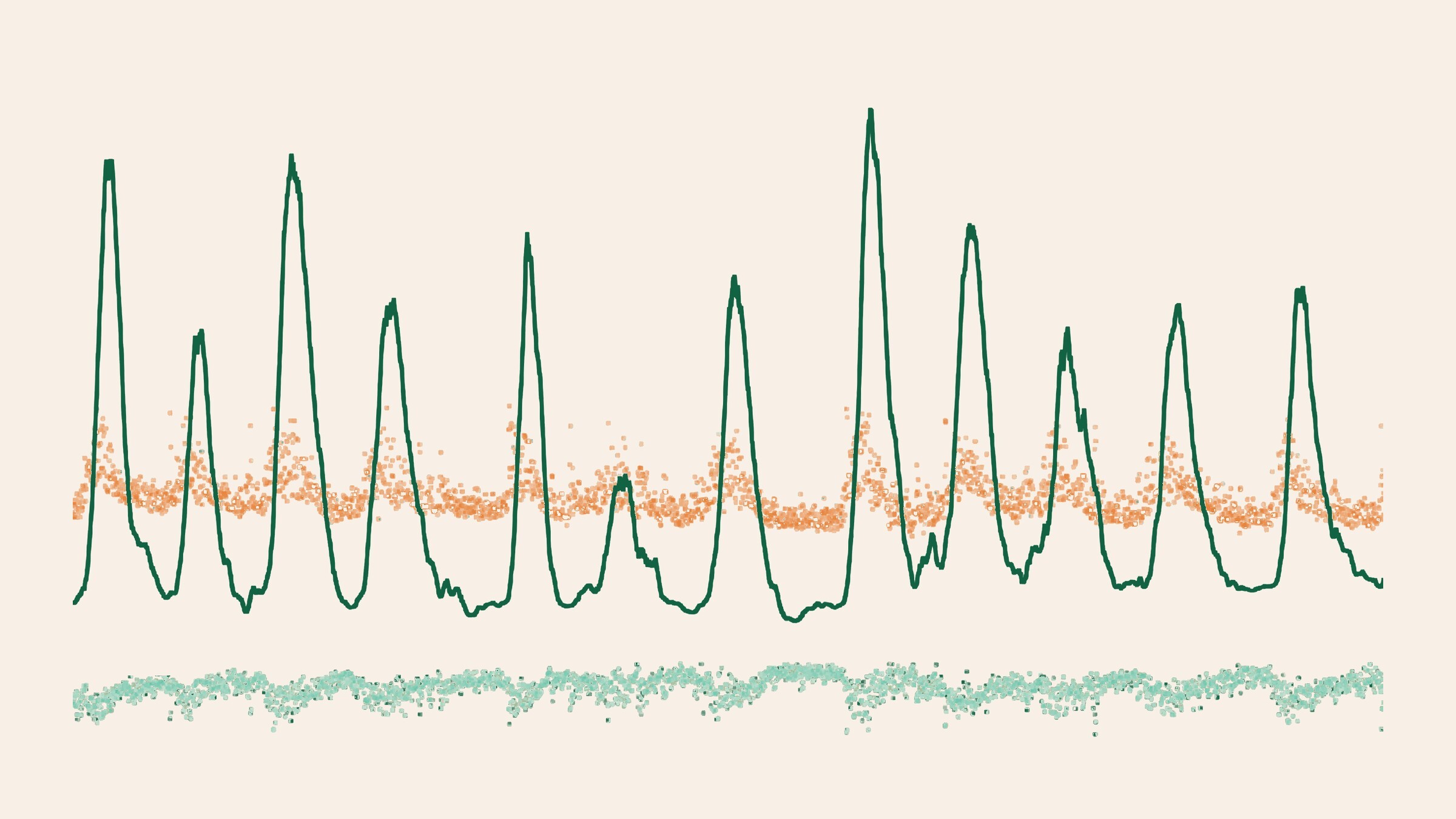
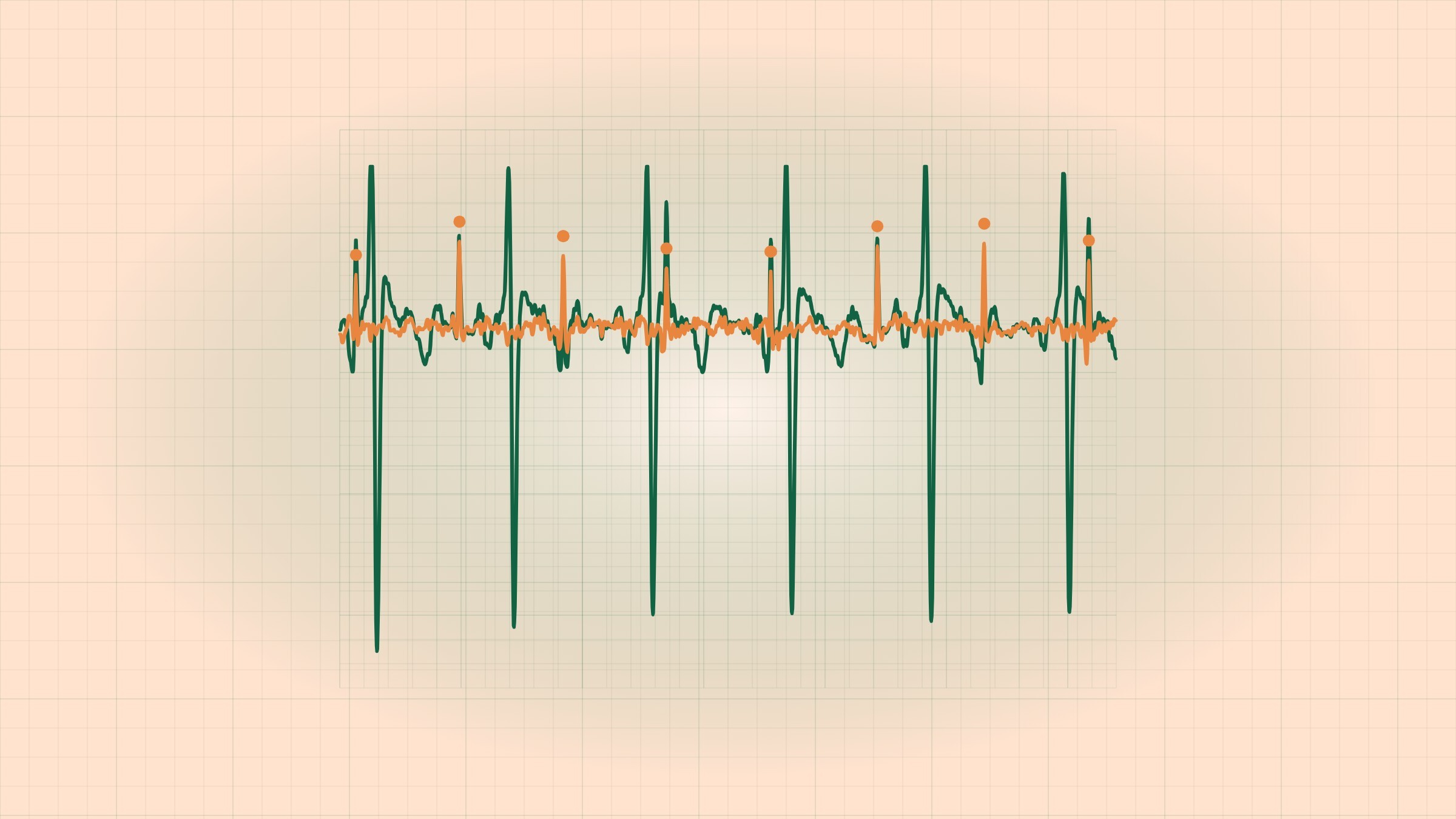
Cover: signals traced from Mhajna et al., Front Bioeng Biotechnol 2022 (CC BY), redrawn.
Kahankova R, Barnova K, Jaros R, Pavlicek J, Snasel V, Martinek R. BMC Pregnancy Childbirth 2023;23:33.
doi.org/10.1186/s12884-023-05349-3