Skip to content
Resources › Clinical Evidence › Part 1 · Validation › This paper
Validation study · AJOG · 2022

Improved uterine contraction detection compared with conventional TOCO

Novel uterine contraction monitoring to enable remote, self-administered nonstress testing

In short

A home nonstress test needs two things: the baby’s heart rate and the mother’s contractions. INVU had shown the first in 2020. This study tested the second against the most accurate measure there is, a pressure catheter inside the uterus.

Why it was studied

The standard external sensor for contractions, the tocodynamometer (TOCO), has to be placed by a nurse and loses accuracy with movement and with a higher body mass index. The intrauterine pressure catheter (IUPC) is accurate but sits inside the uterus and is used only in labour. A remote test needs something a woman can put on herself.

How it was done

118 women in the first stage of labour, at 32 weeks or later, who already had an IUPC for their care: 62 at Penn Medicine and 56 at the University of Arkansas for Medical Sciences (April 2019 to January 2020). Each wore INVU alongside the catheter for 30 to 60 minutes; in 39 sessions a TOCO was added. 40 women were used to train the algorithm and 78 to test the locked version. Three maternal-fetal medicine specialists, blinded to the device, marked every contraction.

INVU has no pressure sensor. It reads contractions from the way the mother’s own heartbeat signal, electrical and acoustic, changes as the uterus tightens (how the algorithm works).

What they found

  • Accuracy: 84.8% of catheter-confirmed contractions were detected (2,722 of 3,210); 89.0% in sessions without the TOCO in the way.
  • Against the standard belt: in the same 39 sessions, 81.8% for INVU and 37.5% for TOCO.
  • Body size: INVU did not change with BMI; TOCO fell from 55.9% in women of normal weight to 30.3% in women with obesity.
  • Readable sessions: 1.3% of INVU sessions could not be interpreted, against 6.8% for TOCO. No device-related adverse events.

Why it matters

Heart rate (2020) plus contractions (this study) make the full nonstress test, from a belt a woman can put on herself. It is the step that made home NSTs at Penn Medicine possible.

What it does not show

INVU also flagged more contractions the catheter did not record: 24.8%, against 10.7% for TOCO. The authors note that some real tightening does not raise pressure. The study was done in labour, in hospital beds, not at home, and wearing both belts at once may have affected either.

Who ran it

Funded by Nuvo, which took part in design, analysis and writing; four authors work for Nuvo and Dr. Schwartz (Penn Medicine) sits on its advisory board. Registered as NCT03889405 and first presented at the Society for Maternal-Fetal Medicine in January 2021.

Cover image: how INVU reads contractions, from Schwartz et al., SMFM 2020 poster.

84.8%of catheter-confirmed contractions detected (78 women, locked algorithm)
82% vs 38%INVU vs the external TOCO belt, same sessions
BMIno drop with obesity; TOCO fell to 30%
The paper
Novel uterine contraction monitoring to enable remote, self-administered nonstress testing

Schwartz N, Mhajna M, Moody HL, Zahar Y, Shkolnik K, Reches A, Lowery CL Jr. Am J Obstet Gynecol 2022;226(4):554.e1–554.e12.

doi.org/10.1016/j.ajog.2021.11.018
Read in the journal → Copied
Summary by Nuvo. The full text is published by American Journal of Obstetrics & Gynecology.

Highlighted research

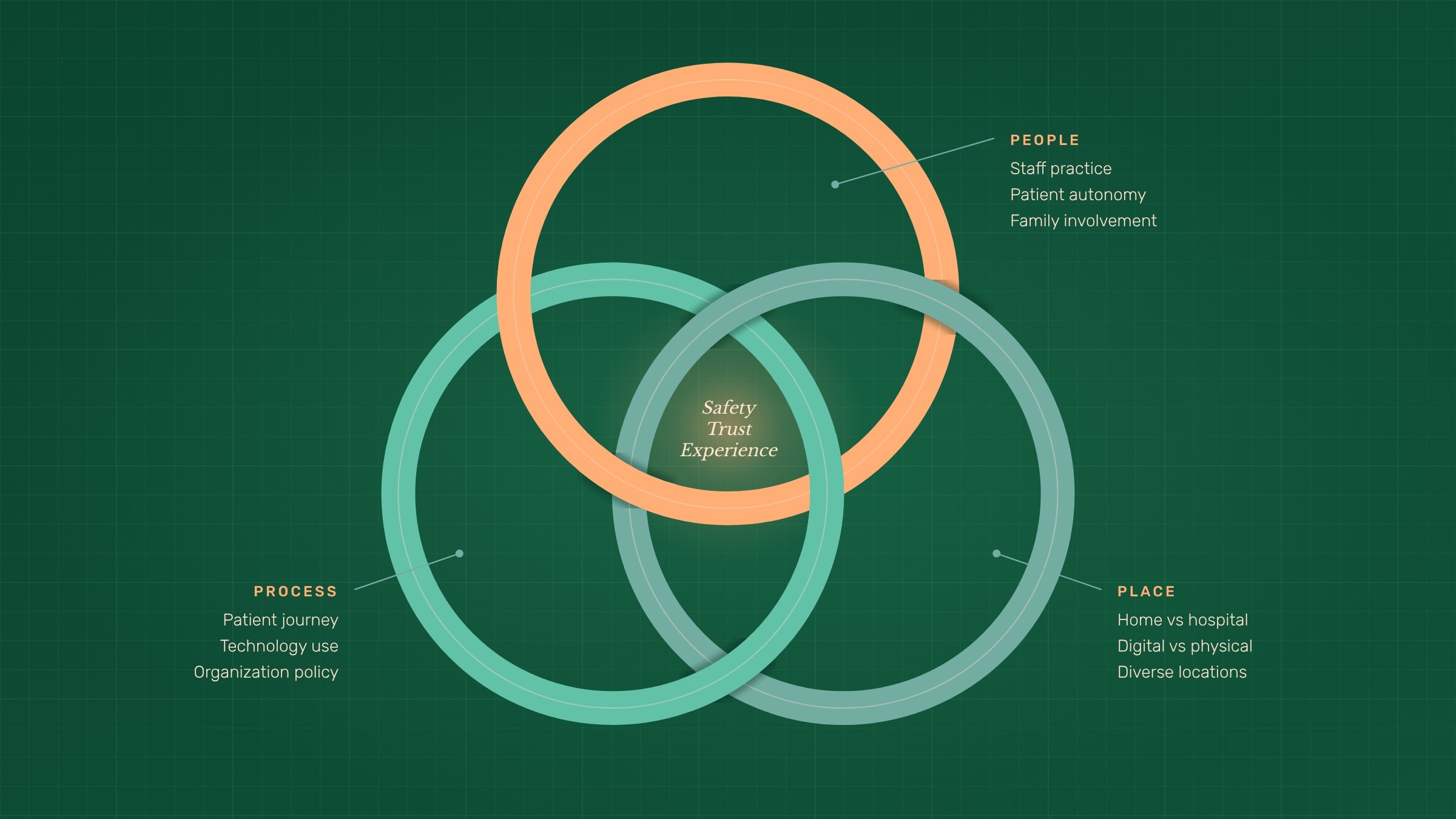
Three interwoven rings: People, Process and Place, with safety, trust and experience at the centre Programme studyFront Digit Health · 2026

Hospitalised at home: how Sheba redesigned care for high-risk pregnancy

Sheba’s hybrid unit lets women with high-risk pregnancies be hospitalised at home and visit twice a week. A 2026 study of 40 interviews looks at what changed; INVU provides the fetal heart tracing.

Read the highlight →
Sheba Medical Center’s curved glass building under a blue sky Pilot studyIJGO · 2025

Every other week from home: Sheba’s hybrid care for gestational diabetes

At Sheba, 20 women with gestational diabetes alternated weekly clinic and home visits, with INVU for the nonstress test. 38 of 39 home visits were complete, taking 59 minutes against 159 in clinic.

Read the highlight →
Speech bubbles of different sizes, colours and shapes, each with a different kind of voice, on Nuvo dark green Research letterAJOG MFM · 2024

In their own words: what Penn patients said about nonstress tests at home

Penn asked high-risk patients who did their nonstress tests at home with INVU how it went. They rated it acceptable, valued skipping clinic trips, and their comments on belt fit changed the device.

Read the highlight →
A desert highway at dusk Letter to the editorsAJOG · 2024

A year of remote NSTs in rural care: Banner Health’s view

After a year of INVU in its rural telemedicine programme, a Banner Health obstetrician wrote to AJOG: most remote NSTs were readable, and patients stopped missing visits.

Read the highlight →
Silhouette of a pregnant woman standing at a bright window at home Research letterAJOG · 2023

Penn Medicine moved high-risk nonstress tests into patients’ homes

At Penn Medicine, 29 women with high-risk pregnancies did their nonstress tests at home with INVU. 93.9% of tests could be read, and 88.5% of appointments needed no clinic visit.

Read the highlight →
Twelve monitor screens, six lit with different real INVU signals ReviewBMC Pregnancy Childbirth · 2023

Fetal monitoring 4.0: an independent review picks out INVU as the device built for home

Researchers in Czechia reviewed fetal monitoring for the post-COVID era. Of six certified monitors they compared, they describe INVU as the only one built for home monitoring rather than labour.

Read the highlight →
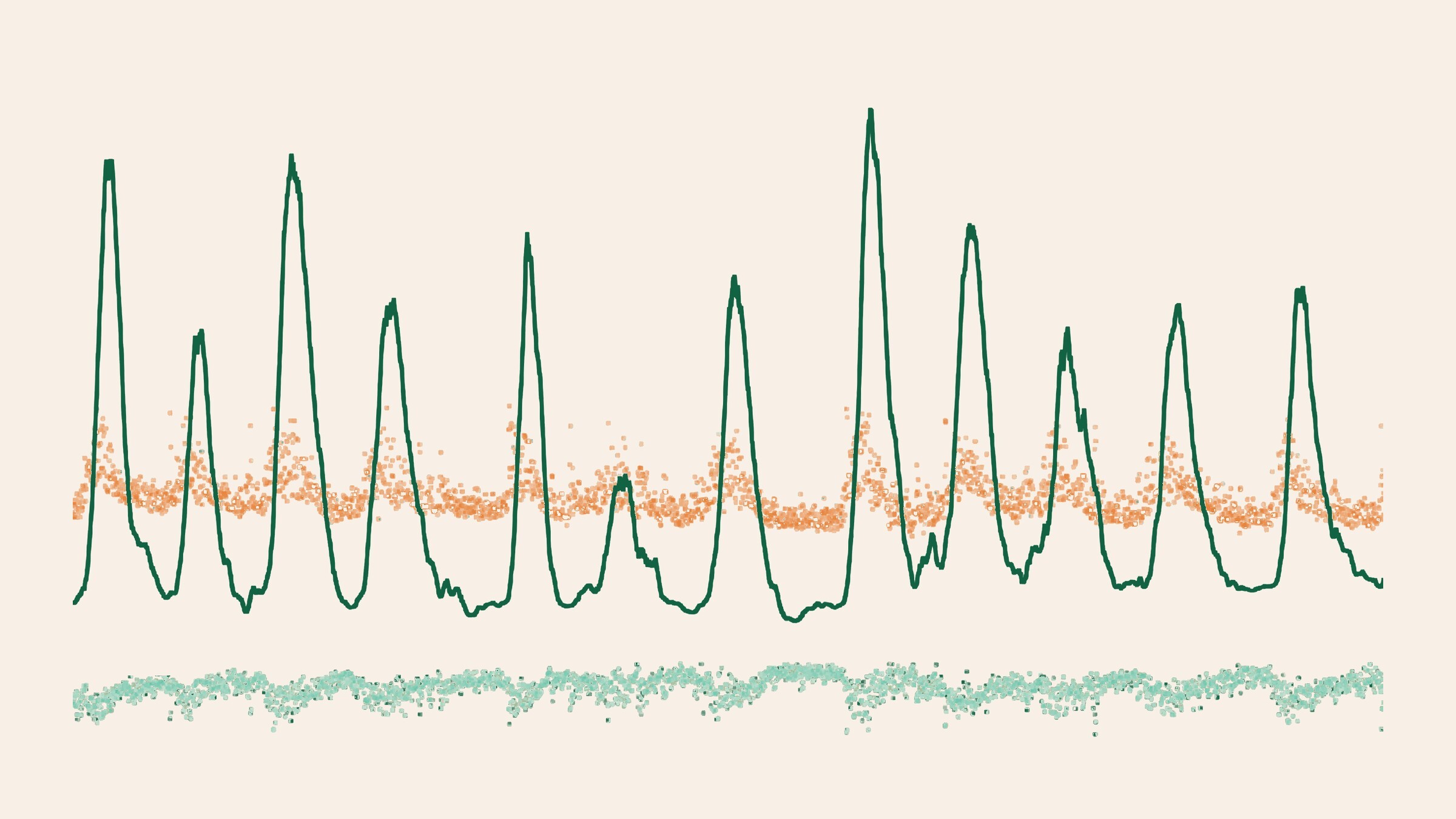
The contraction trace rises and falls, and the height of each of the mother’s heartbeats swells with every contraction Validation studyFront Bioeng Biotechnol · 2022

Reading contractions in the mother’s own heartbeat

The engineering paper behind INVU’s contraction reading: as the uterus tightens, the mother’s heartbeat signals change shape. In 41 women in labour, the method found 89.8% of catheter-confirmed contractions.

Read the highlight →
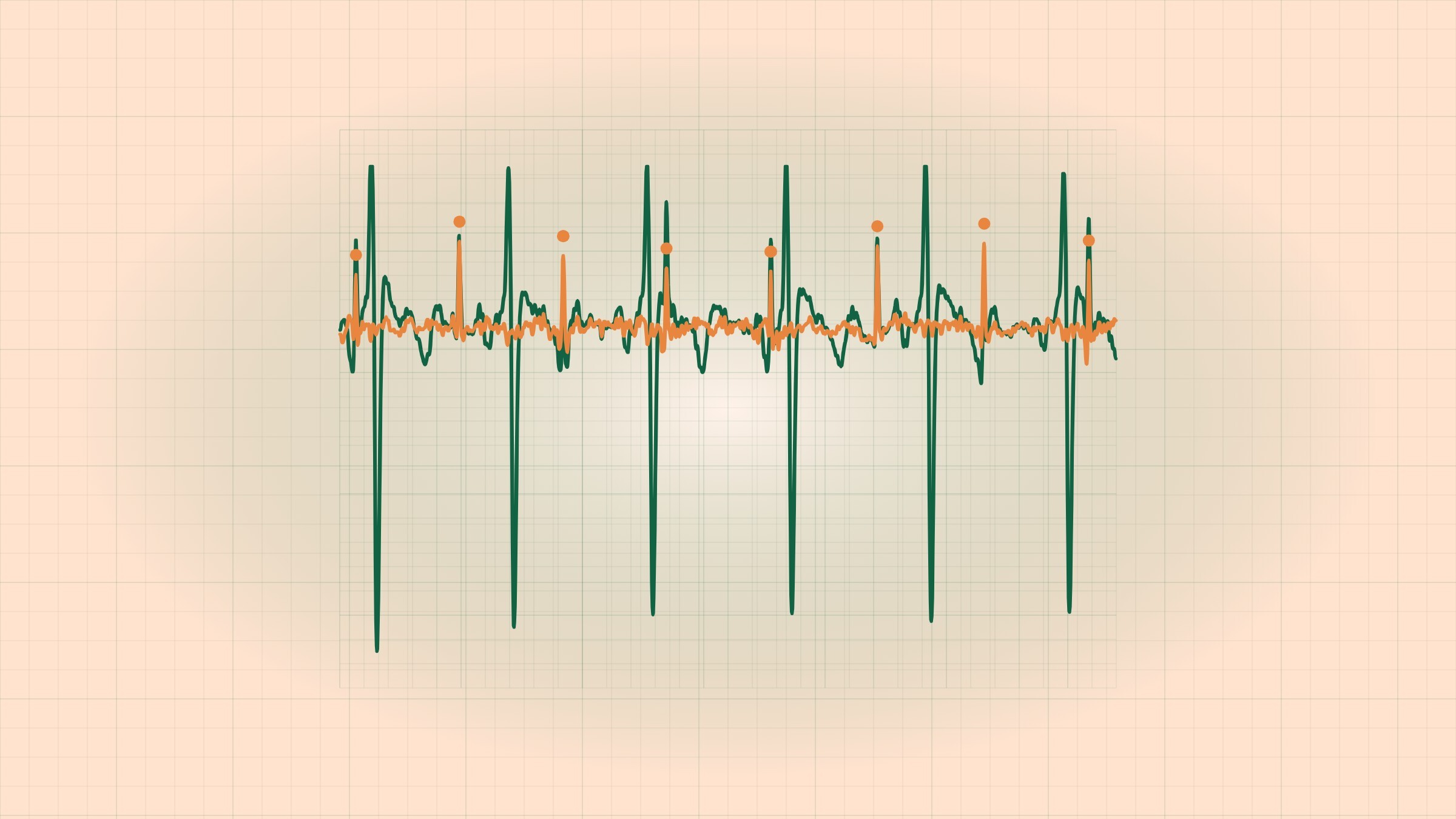
The mother's heartbeat and the baby's in one INVU recording: tall slow beats and small fast beats Validation studyAJOG MFM · 2020

INVU heart-rate readings agreed closely with hospital CTG

147 women at four centres wore INVU and the hospital monitor at the same time. Fetal heart rate agreed to within about 8 to 9 beats per minute, with no ultrasound and no repositioning.

Read the highlight →
Get in touch

Interested in learning more?

Whether you would like to know more about INVU™, explore a research collaboration, or partner with us, we would love to hear from you.

Email info@nuvocares.com ↗