
2022
Invu by NuvoFDA 510(k) K221046 · cleared 6 May 2022
Special 510(k) for an updated version of the device.
US Food and Drug Administration
Added uterine activity and the nonstress-test indication, so NSTs can be done remotely.
First clearance: fetal and maternal heart rate.
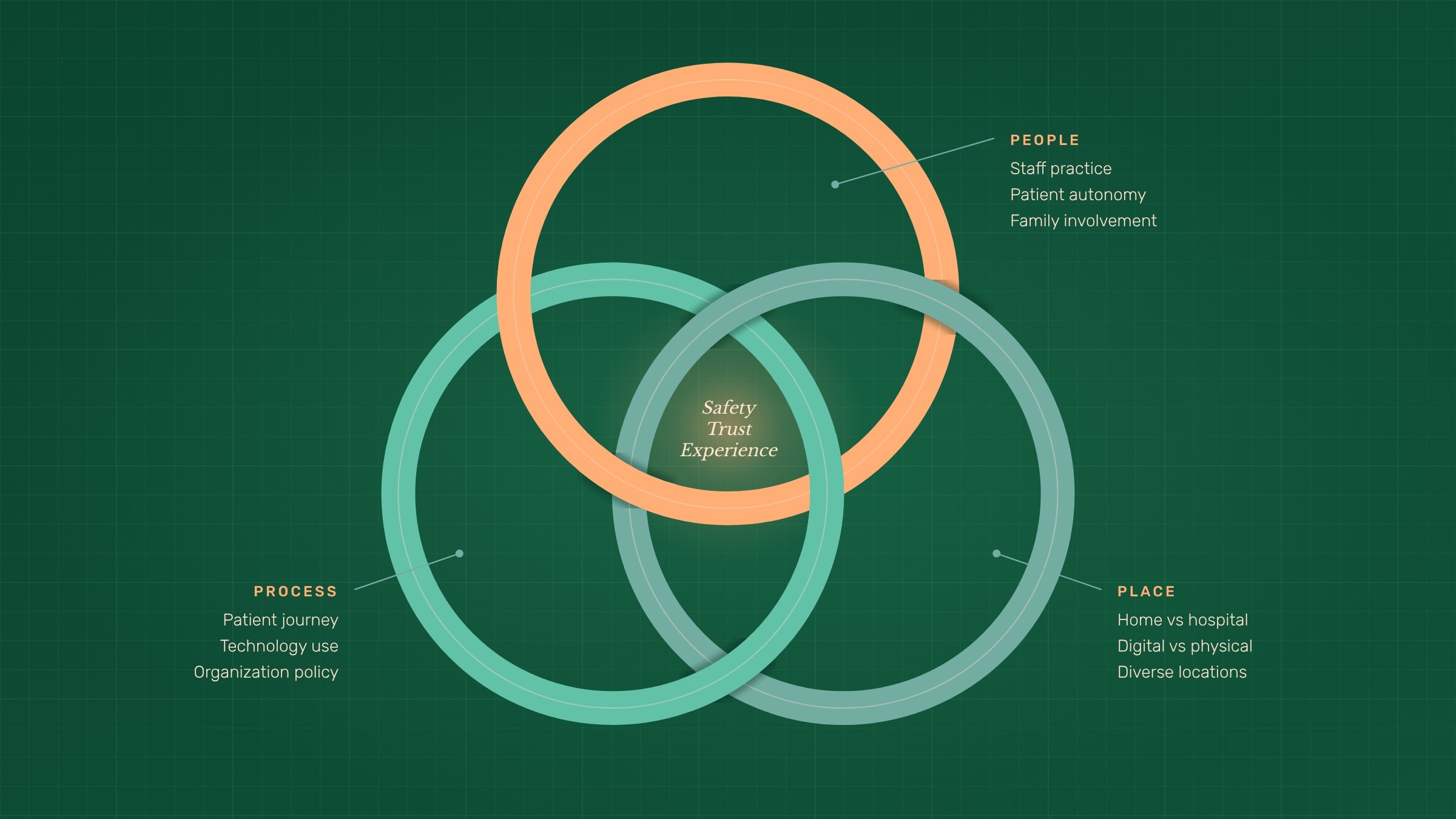
Sheba’s hybrid unit lets women with high-risk pregnancies be hospitalised at home and visit twice a week. A 2026 study of 40 interviews looks at what changed; INVU provides the fetal heart tracing.
Read the highlight →
At Sheba, 20 women with gestational diabetes alternated weekly clinic and home visits, with INVU for the nonstress test. 38 of 39 home visits were complete, taking 59 minutes against 159 in clinic.
Read the highlight →
Penn asked high-risk patients who did their nonstress tests at home with INVU how it went. They rated it acceptable, valued skipping clinic trips, and their comments on belt fit changed the device.
Read the highlight →
After a year of INVU in its rural telemedicine programme, a Banner Health obstetrician wrote to AJOG: most remote NSTs were readable, and patients stopped missing visits.
Read the highlight →
At Penn Medicine, 29 women with high-risk pregnancies did their nonstress tests at home with INVU. 93.9% of tests could be read, and 88.5% of appointments needed no clinic visit.
Read the highlight →
Researchers in Czechia reviewed fetal monitoring for the post-COVID era. Of six certified monitors they compared, they describe INVU as the only one built for home monitoring rather than labour.
Read the highlight →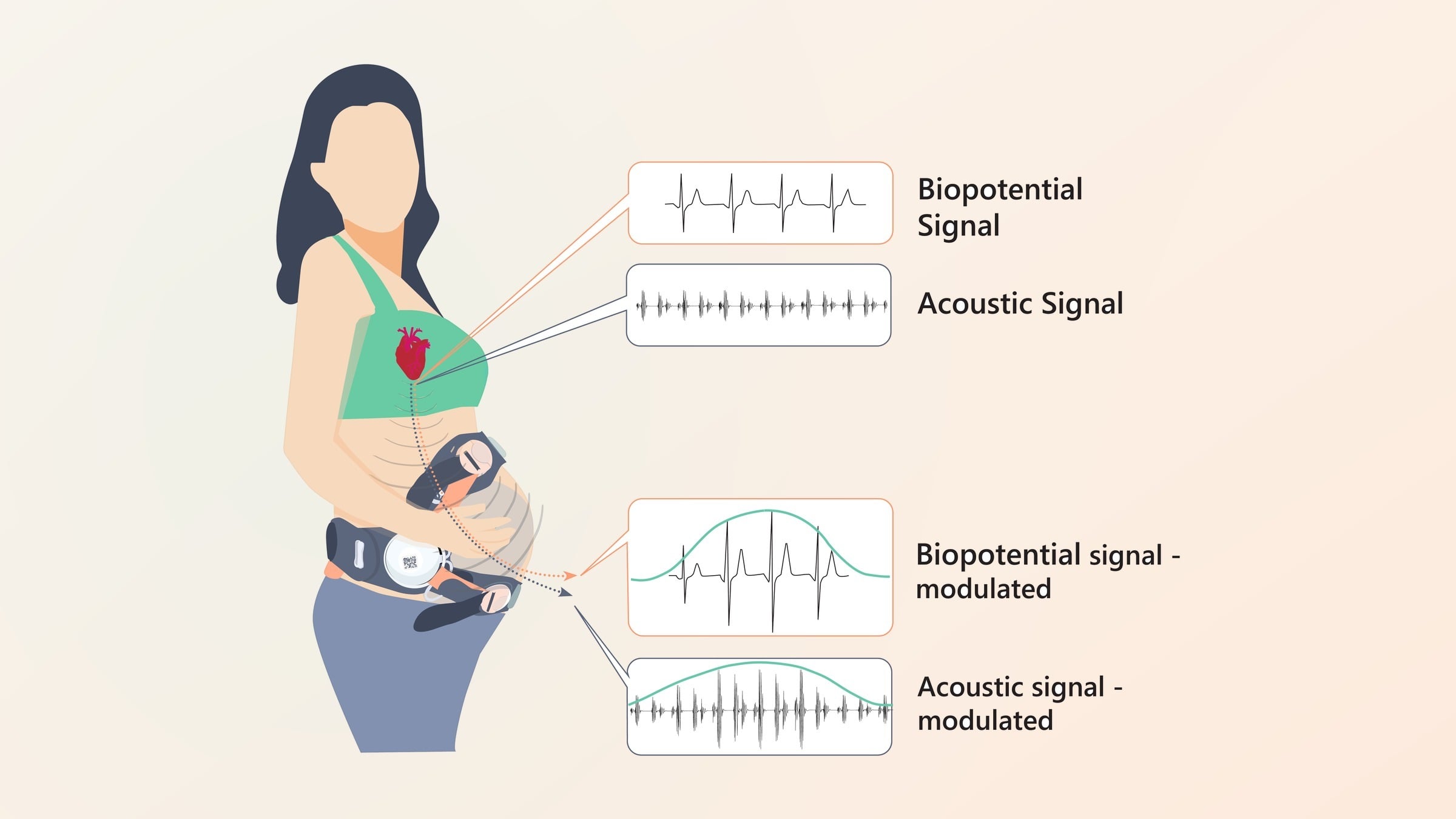
In 118 women in labour, INVU detected 84.8% of the contractions confirmed by the intrauterine catheter, beat the external TOCO belt (82% vs 38%) and kept working in women with obesity.
Read the highlight →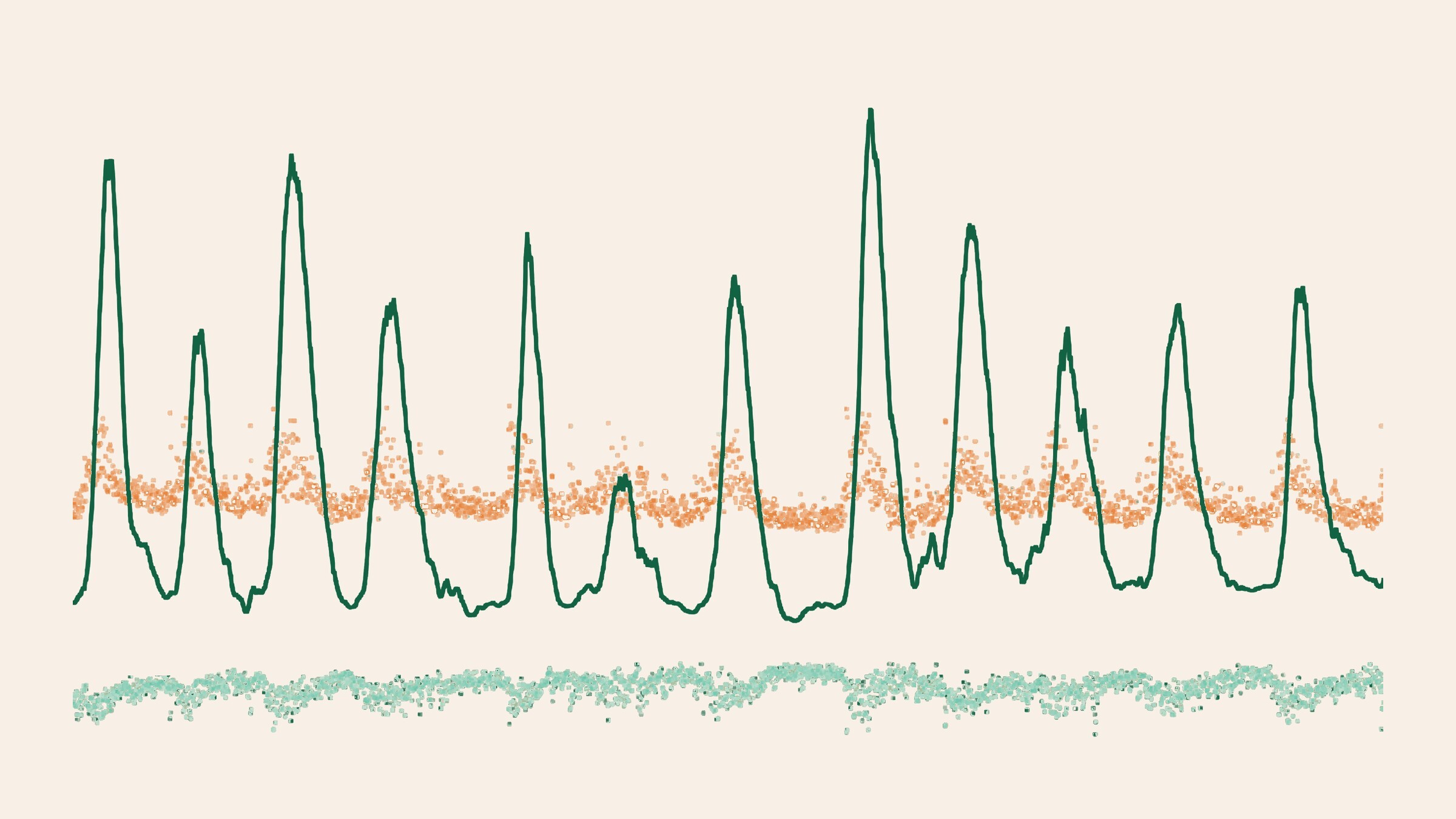
The engineering paper behind INVU’s contraction reading: as the uterus tightens, the mother’s heartbeat signals change shape. In 41 women in labour, the method found 89.8% of catheter-confirmed contractions.
Read the highlight →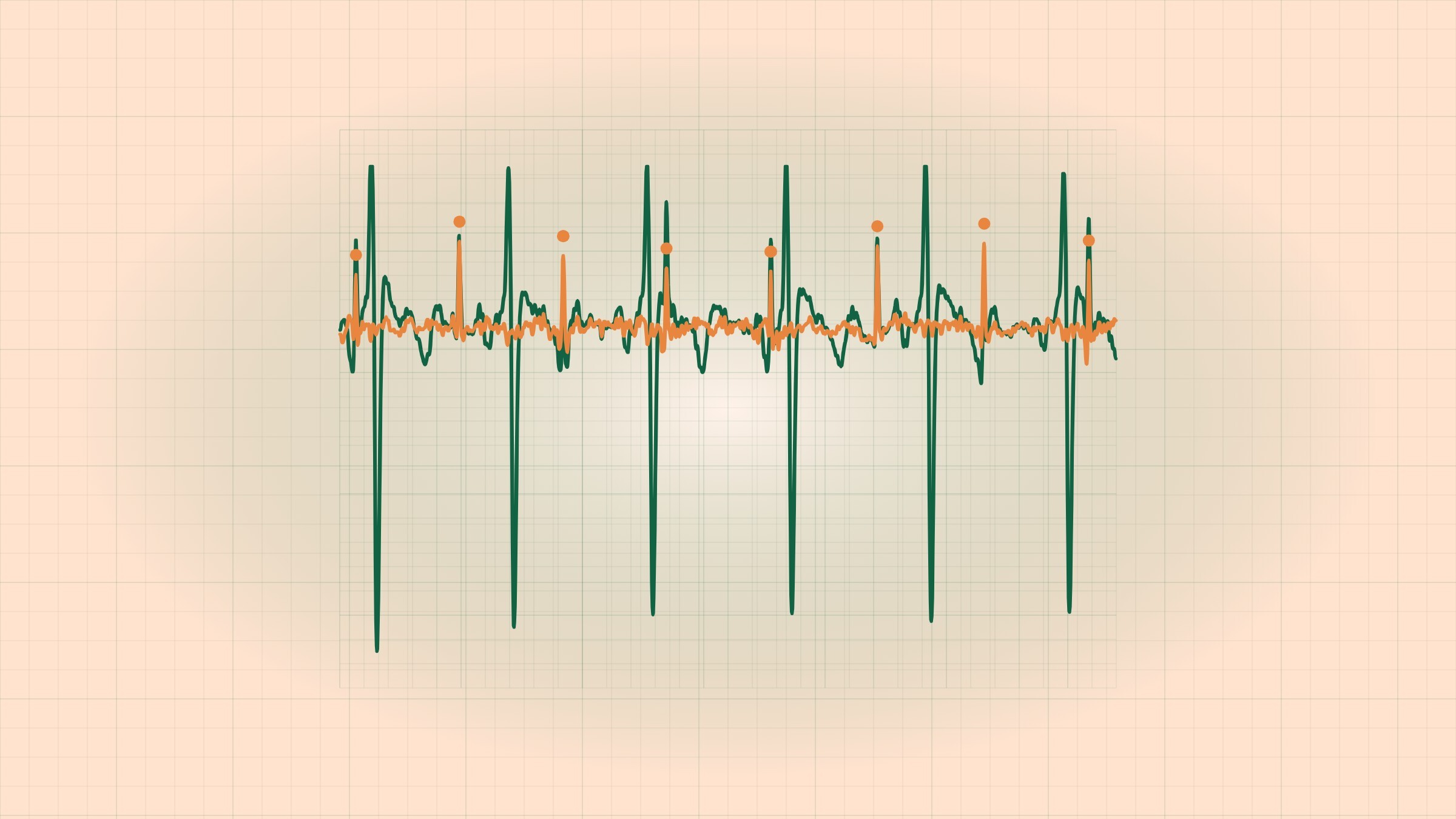
147 women at four centres wore INVU and the hospital monitor at the same time. Fetal heart rate agreed to within about 8 to 9 beats per minute, with no ultrasound and no repositioning.
Read the highlight →Beyond the papers: the people, places and press behind INVU™.
 Events & AwardsTIMEINVU™ by Nuvo named one of TIME’s Best Inventions
 In the NewsISRAEL21cNuvo among Israel’s leading medical innovations
 Events & AwardsWHAHC 2025Empowering high-risk pregnant women: Sheba’s hospital at home, with INVU for fetal monitoring
 In the NewsGVMH news releaseGolden Valley Memorial Healthcare expands prenatal care with remote monitoring
 In the NewsFemtech InsiderNuvo’s AI-ready pregnancy dataset gains coverage in health and femtech media
 In the NewsForbesForbes: Nuvo improves pregnancy care, even for women living through a war
Whether you would like to know more about INVU™, explore a research collaboration, or partner with us, we would love to hear from you.
Email info@nuvocares.com ↗